
DevelopingPoliticsTimeline
Russia's 2026 Legislative Election
Updated 7 updatessince 63 outlets
The 2026 Russian legislative election saga centers on the political landscape ahead of the elections amidst ongoing conflict in Ukraine, with key events such as disqualifications and disruptions affecting the process.
Timeline
Now
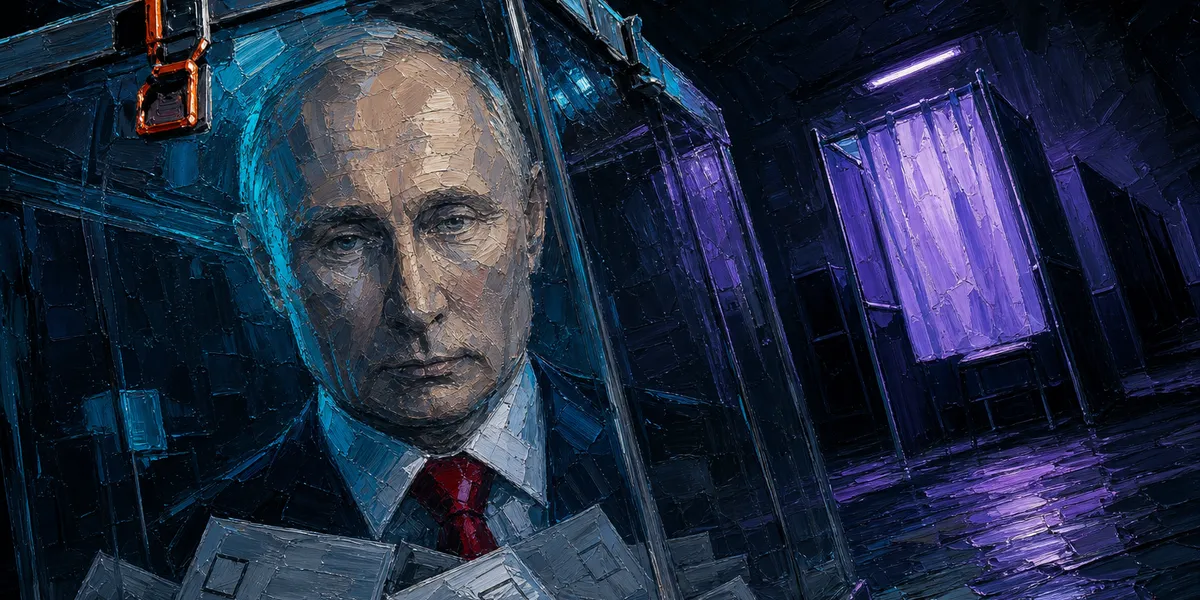
Vladimir Putin cast his vote online in the inaugural State Duma elections since the full-scale invasion of Ukraine.
14 sources · New York Times, Reuters
Ukrainian drone attacks on September 18, 2026, disrupted voting at polling stations in southern Russia and occupied Ukraine, leading to the relocation of one polling site and causing brief power outages in the Luhansk region.
16 sources · Reuters, Washington Post
Voting began on September 18, 2026, marking the first parliamentary election since the escalation of conflict in Ukraine.
28 sources · EXPRESS, Euronews.com
On August 10, 2026, Russia's Supreme Court disqualified Yabloko from participation in the State Duma elections scheduled for September. The decision came after a lawsuit by the Rodina party, which claimed Yabloko violated election and copyright laws.
15 sources · AP, Al Jazeera
Central Election Commission registered Yabloko's party list for the State Duma elections scheduled for September 18-20. This action positions Yabloko as the only officially recognized political entity advocating against the war in Ukraine, although the party faces severe restrictions and obstacles in several regions…
10 sources · DW, France 24
On July 17, 2026, opposition politician Boris Nadezhdin was convicted of displaying 'extremist symbols', a ruling that will keep him out of the upcoming parliamentary race. That conviction removed a prominent Kremlin critic from the field and helped trigger the subsequent wave of election-related actions and coverage.
5 sources · Washington Post, AP
Liberal Democratic Party held its 38th congress on June 23, 2026, in Ruza, Moscow Oblast, where delegates discussed strategies and policies ahead of the legislative elections later this year
5 sources · ЛДПР, France 24
- Origin Jun 23, 2026
The story so far
As of September 18, 2026
Russia has opened three days of voting to fill all 450 seats in the State Duma, its lower house, the first parliamentary election since the full‑scale war in Ukraine began. About 111 million people can vote, in person or online, and for the first time ballots are being taken in four Ukrainian regions Russia says it annexed in 2022, as well as in Crimea. All parties on the ballot back Vladimir Putin and the war, and United Russia is on course to retain control.
The field looks this way because the only registered party that campaigned against the war, Yabloko, was first cleared to run and then struck from the nationwide party list by the Supreme Court in August after a lawsuit by the Rodina party; it has only a few dozen candidates left in single‑seat races. Earlier, opposition figure Boris Nadezhdin was convicted over displaying banned symbols, a ruling that keeps him out of the race. What remains are United Russia and smaller parties that rarely break with the Kremlin on key votes.
Authorities have cast the election as a demonstration of unity behind the war and have structured it to minimize risk. The immediate test is whether voting can proceed smoothly under attack. A polling station in Krasnodar was moved after a drone blast shattered windows, Sochi sent voters and staff to shelters during an air raid alert, and 14 polling sites in the Russian‑occupied Luhansk region briefly lost power before switching to backup. The remote voting system came under cyberattack, and mobile internet was curtailed in places as part of anti‑drone measures.
The war’s strain at home frames the vote. Summer strikes on oil refineries triggered a fuel crunch, and attacks on the Wildberries and Ozon warehouse networks disrupted commerce, while high interest rates and a labor squeeze persist. Putin cast his ballot online. By late Friday, turnout was about 30 percent including online, with first tallies due Sunday evening and near‑complete results Monday. What now matters is how much participation the system produces and the size of United Russia’s margin in a vote extended to territories Russia does not fully control.
Each entry is synthesized by AI from the reports linked on it, and labeled with the kind of change it represents. How Frameshift works · What the labels mean · Report an error
In the app
Read this timeline in Frameshift
Four stories are free on the web. The full Vault, with every timeline and brief, is in the app.